What Is Spiritual Healing? Understanding Its Purpose, Practices and Limitations
Discover **what is spiritual healing**, its meaning, benefits, and common practices, including meditation, prayer, mantra, breathwork, and mindful living. Learn how spiritual practices may support inner peace and self-awareness, understand their limitations, and why they should complement—not replace—professional medical and mental-health care.
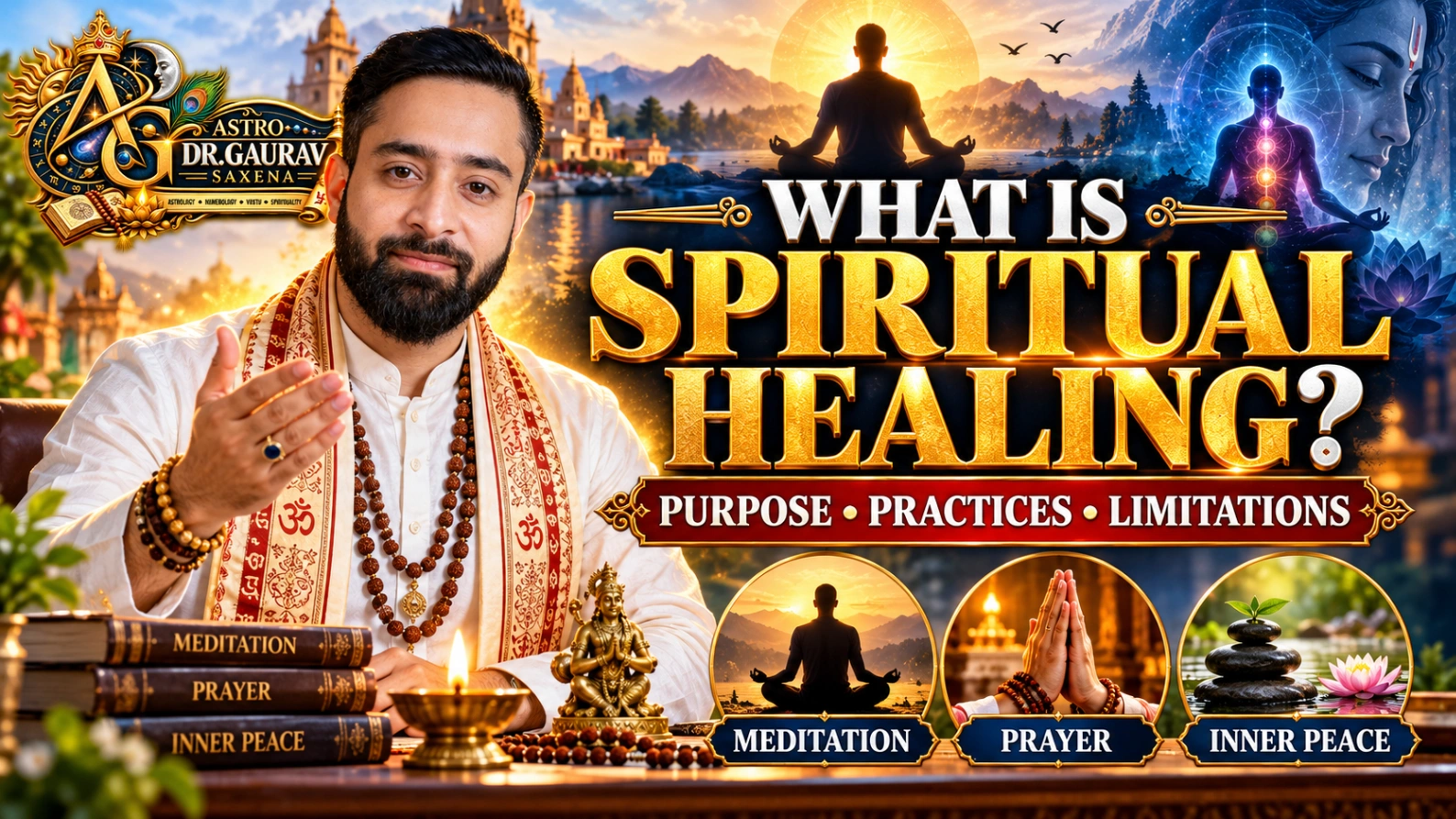
Spiritual healing is a broad term for practices that help people explore meaning, faith, inner awareness, and personal well-being. Understanding what is spiritual healing involves looking beyond popular claims and examining how meditation, prayer, mantra repetition, breathwork, reflection, and mindful living can become part of a meaningful spiritual routine. Different cultures and belief systems interpret spiritual healing differently, and individuals may experience these practices in their own ways. However, spiritual healing should not be confused with medical treatment or a scientifically established cure for physical or mental-health conditions.
What Is Spiritual Healing?
To understand what is spiritual healing, it is important to recognize that it does not refer to one universally accepted method. For some people, it means strengthening their connection with God or a higher power. Others associate it with self-reflection, meditation, inner peace, or discovering a deeper purpose in life.
The spiritual healing meaning depends on personal beliefs, cultural traditions, and individual experiences. Some people explore spiritual practices during periods of uncertainty, grief, or personal change, while others incorporate them into everyday life.
Spiritual healing may encourage individuals to examine their values, develop gratitude, and approach challenges with greater awareness. However, its effects are not identical for everyone, and spiritual experiences should not be interpreted as proof that an illness has been cured.
Spiritual Healing Across Different Traditions
Different religious and philosophical traditions offer distinct perspectives on spiritual well-being. Hindu traditions may emphasize prayer, meditation, mantra repetition, devotion, and self-knowledge. For example, repeating Ram Naam can be a meaningful devotional practice for people who feel connected to Lord Rama.
Other traditions may emphasize contemplation, sacred texts, communal worship, compassion, or a personal relationship with God. Some people also follow nonreligious approaches centered on mindfulness, purpose, and ethical living.
Understanding what is spiritual healing requires respecting these differences rather than presenting one practice as universally superior. Spiritual traditions can provide meaning and community, but their teachings and methods should not be treated as substitutes for appropriate healthcare.
Common Spiritual Practices
People explore different spiritual healing practices according to their interests, beliefs, and daily routines. Six commonly associated approaches are meditation, prayer, mantra repetition, breathwork, reflection, and mindful living.
Meditation
Meditation involves directing attention toward an experience, such as breathing, bodily sensations, a meaningful phrase, or the present moment. Some people use meditation for quiet reflection, while others approach it through established spiritual traditions.
Meditation and spiritual healing may be connected through the intention to cultivate awareness and understand one's thoughts and reactions. Beginners can start with a few minutes of comfortable, quiet attention without expecting a particular spiritual experience.
Prayer
Prayer can involve expressing gratitude, seeking guidance, offering devotion, or reflecting on personal concerns in the context of one's beliefs. For many people, it provides a familiar structure for connecting with their faith.
The role of prayer in spiritual well-being varies from person to person. It should offer space for reflection and connection without creating guilt when life remains difficult or circumstances do not change.
Mantra
A mantra is a meaningful word, sound, or phrase repeated during meditation or devotional practice. In Hindu traditions, Ram Naam is one example of a devotional repetition that may hold deep personal significance.
Mantra practice can provide a regular point of attention and help establish a consistent spiritual routine. Its significance depends on the individual's beliefs and experience; it should not be presented as a guaranteed treatment for illness.
Breathwork
Breathwork includes practices that bring attention to breathing. Beginners can simply observe their natural breathing pattern or breathe gently and comfortably for a short period.
For spiritual well-being, the objective may be to pause, become more aware of the present moment, and create space for reflection. Avoid forced, rapid, or uncomfortable breathing techniques, and stop if you experience dizziness, breathlessness, or distress.
Reflection
Reflection involves considering personal experiences, values, decisions, and relationships. Questions such as What matters most to me? or How could I respond more thoughtfully? can support a clearer understanding of personal priorities.
This practice can connect spirituality with everyday decision-making. It does not require a particular religion and can be adapted to individual circumstances.
Mindful Living
Mindful living practices involve bringing attention and intention to ordinary activities, including eating, working, communicating, and caring for others.
Mindful living may include listening without interruption, responding thoughtfully during disagreements, expressing gratitude, and acting consistently with personal values. These habits can make spirituality a practical part of daily life rather than something limited to formal rituals.
What Do People Usually Seek From Spiritual Healing?
People interested in what is spiritual healing may be looking for meaning, hope, connection, personal clarity, or a greater sense of purpose. Some want to strengthen their faith, while others wish to develop a regular meditation practice or reflect on challenging life experiences.
These goals are personal, and no single outcome can be promised. One individual may find prayer meaningful, while another may prefer meditation, journaling, or quiet time in nature.
The benefits of spiritual practices are best understood in terms of the intentions and experiences of the individual, rather than claims of supernatural certainty. Spiritual practice should not be used to judge people who are struggling or suggest that their difficulties result from weak faith, bad karma, or negative energy.
Emotional and Spiritual Well-Being
Spiritual well-being may involve a sense of meaning, connection, belonging, or alignment with personal values. For some individuals, religious participation provides community and support. Others find value in quiet reflection, compassionate action, or spending time in nature.
Practices such as meditation, prayer, and mindful living may offer opportunities to pause and respond more deliberately to daily challenges. However, experiences vary, and spiritual practices are not guaranteed to relieve emotional distress.
Understanding what is spiritual healing also means recognizing that difficult emotions are part of human life. Sadness, fear, grief, and uncertainty do not automatically indicate spiritual weakness or failure.
A balanced approach allows people to explore spirituality while acknowledging their emotional needs and seeking appropriate support when necessary.
What Spiritual Healing Should Not Promise
Responsible spiritual guidance must distinguish personal belief from established evidence. Spiritual healing should not promise guaranteed recovery, the removal of every obstacle, or the cure of a disease through prayer, mantras, rituals, or energy-based methods.
No practitioner should claim that a person's illness proves bad karma, spiritual impurity, negative energy, or insufficient devotion. Such statements can create unnecessary fear, shame, and pressure.
When exploring what is spiritual healing, readers should be cautious of practitioners who demand large payments through intimidation, discourage medical consultations, recommend stopping prescribed medication, or claim exclusive power over a person's future.
Spiritual practice can be meaningful without making extraordinary promises. Honest guidance respects individual choice, acknowledges uncertainty, and recognizes the limits of what it can establish.
Spiritual Practice vs Medical Treatment
Spiritual practice and medical treatment serve different purposes. Prayer, meditation, and reflection may be personally meaningful, but they are not substitutes for diagnosis, medication, psychotherapy, or treatment provided by qualified healthcare professionals.
People experiencing physical symptoms or persistent mental-health difficulties should seek appropriate professional assessment. A spiritual routine may complement their personal coping strategies if it is safe and does not interfere with recommended care.
Understanding what is spiritual healing requires maintaining this distinction. Spiritual well-being is not the same as physical recovery, and a meaningful spiritual experience does not establish that a medical condition has improved.
Never stop prescribed medication or delay necessary treatment because a spiritual practitioner promises a cure. Decisions about medical care should be discussed with a qualified healthcare professional.
How to Approach Spiritual Healing Responsibly
A thoughtful approach to what is spiritual healing begins with realistic expectations and respect for personal beliefs. There is no need to adopt every spiritual practice or follow a particular religious tradition to develop a personal routine.
Consider these practical steps:
Start simply: Choose a short meditation, prayer, mantra, or reflection practice that feels appropriate to you.
Stay consistent: Build a manageable routine instead of pursuing dramatic experiences or immediate results.
Respect your beliefs: Explore traditions thoughtfully without feeling pressured to accept claims that conflict with your values.
Maintain healthy boundaries: Avoid practitioners who use fear, coercion, or promises of guaranteed outcomes.
Evaluate your experience honestly: Notice whether a practice feels meaningful or helpful without assuming that every change has a supernatural cause.
Protect your health: Continue appropriate medical care and seek professional guidance when physical or emotional difficulties persist.
Personalized spiritual guidance may help someone explore different practices and develop a routine that reflects their interests. Such guidance should remain educational, transparent, and respectful of the individual's independence.
When Professional Support Should Be Considered
Spiritual practices can be part of a personal wellness routine, but they are not appropriate as the sole response to every difficulty. Persistent sadness, overwhelming anxiety, traumatic experiences, severe sleep disturbances, or physical symptoms deserve attention from qualified professionals.
If symptoms worsen or interfere with work, relationships, sleep, or daily responsibilities, consult an appropriate healthcare professional. A doctor or licensed mental-health professional can assess the situation and discuss suitable options.
If someone is in immediate danger or experiencing a mental-health crisis, urgent professional assistance is more important than continuing a spiritual exercise.
A balanced understanding of what is spiritual healing leaves room for faith and reflection while recognizing that seeking professional help is a responsible decision, not a failure of spirituality.
Frequently Asked Questions
What does spiritual healing mean?
Spiritual healing refers to practices associated with faith, meaning, prayer, meditation, self-reflection, and spiritual well-being. Its meaning varies across cultures and individuals. It is not a single standardized treatment or a scientifically established cure for disease.
What practices are commonly associated with spiritual healing?
Common practices include meditation, prayer, mantra repetition, gentle breath awareness, reflection, and mindful living. People choose practices according to their beliefs and preferences. Experiences and perceived benefits vary between individuals.
Can spiritual healing replace medical treatment?
No. Spiritual practices should not replace medical diagnosis, prescribed medication, psychotherapy, or other appropriate healthcare. They may complement personal wellness routines when safe, but medical decisions should be made with qualified healthcare professionals.
Is spiritual healing connected to a particular religion?
No. Some approaches are rooted in religious traditions, including Hindu devotional practices, while others focus on meditation, mindfulness, meaning, and self-reflection without requiring religious affiliation.
When should someone seek professional support instead of relying only on spiritual practices?
Seek professional support when physical symptoms, emotional distress, or mental-health concerns persist, worsen, or interfere with daily life. Urgent symptoms or immediate safety concerns require prompt professional assistance. Spiritual practices can coexist with appropriate care but should not delay it.
Conclusion
Understanding what is spiritual healing means recognizing both its personal significance and its limitations. Meditation, prayer, mantra repetition, breathwork, reflection, and mindful living can provide meaningful ways to explore faith, values, and inner awareness. However, individual experiences differ, and spiritual practices should never be presented as guaranteed cures or replacements for healthcare. The most responsible approach combines realistic expectations, respect for personal beliefs, and appropriate professional support when needed. Readers who wish to explore spiritual reflection, meditation, mantra practice, or a personal spiritual routine may seek further educational guidance from Astro Dr. Gaurav Saxena, while continuing to rely on qualified medical and mental-health professionals for healthcare needs.
Astro Dr. Gaurav Saxena
Phone: 9821549939
Alternative Contact: 9129950235
Website: https://astrodrgauravsaxena.com/